
 SEARCH
 FIND A DEALER

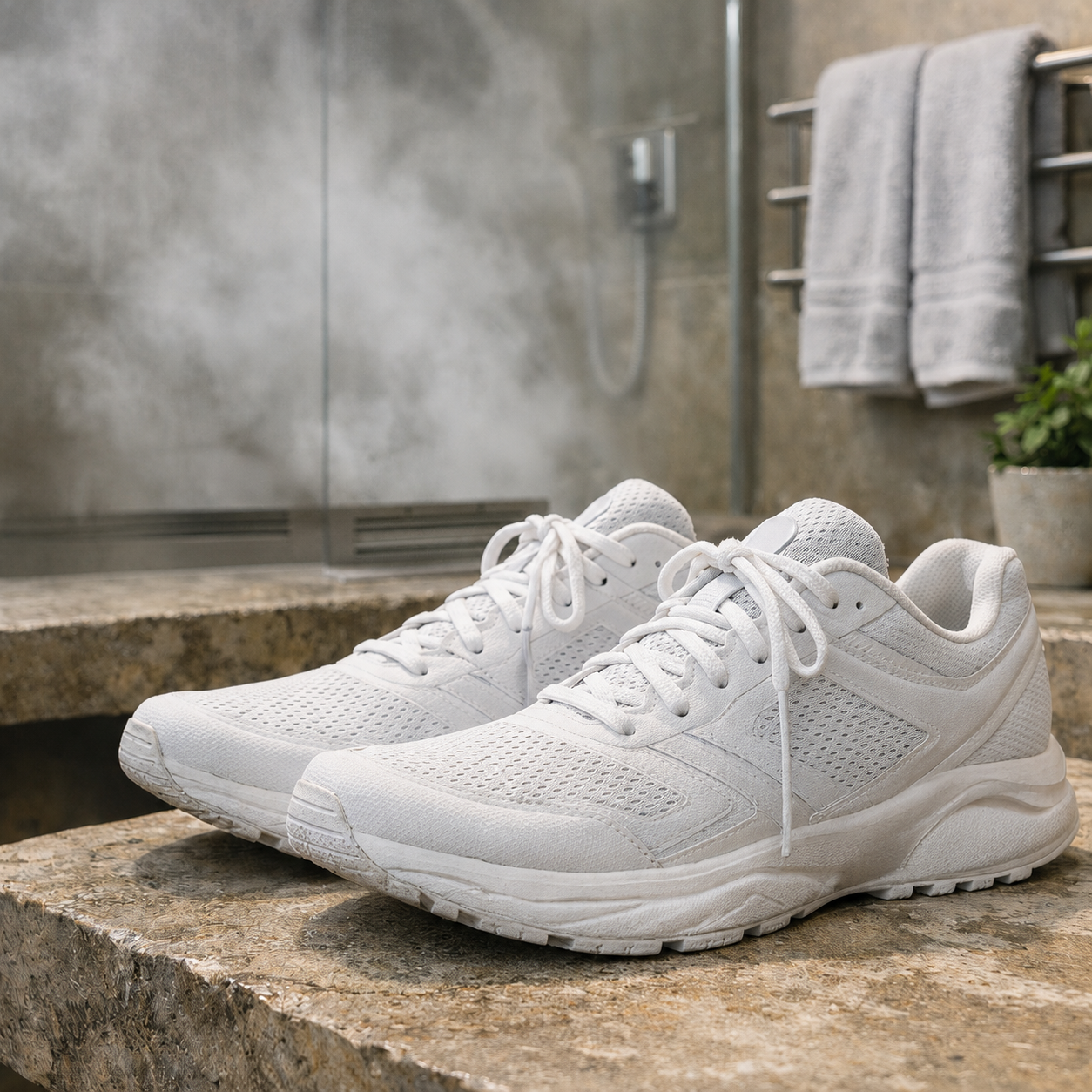
Steam Shower for Runners: Recovery Benefits, Routines & Results
Runners are usually most consistent when recovery is built into training. Running is a high-impact sport, and the body needs to come back down from it. A steam shower supports the shift from effort to recovery: it helps ease the airways, quiet the body's post-run noise, and turn the end of a run into something worth looking forward to. Runners who build in recovery alongside their miles—rather than treating it as a bonus—are often more consistent and feel better.
Does a Steam Shower Help with Muscle Recovery After Running?
Yes—a steam shower may support muscle recovery after running by helping the body transition from effort to rest. The warm, humid environment may help ease muscle tension, support circulation, and encourage the nervous system to downshift after hard training. The more miles you log, the more your body needs help coming back down into a resting state.
Steam doesn't replace sleep, hydration, or smart training decisions. But it earns its place because it works alongside those fundamentals and feels good enough to keep doing.
Can Steam Support Performance Before a Run?
Steam before a run can be useful with the right timing and the right kind of effort ahead.
A short steam session in the morning can help loosen tight muscles and open the airways before an easy run or workout, particularly in cold weather when joints take longer to warm up. The humid heat may help the respiratory system prep for sustained effort, which matters for runners who deal with tight airways or dry-air conditions.
The strongest pre-run case, though, is the evening before. A steam session the night before a long run or race may help calm the nervous system, ease pre-race tension, and support better sleep— which is its own performance input. Runners who struggle to wind down, especially before big efforts, often find that a deliberate recovery ritual the night before does more for their performance than anything they do race morning.
The one timing to avoid: a full steam session immediately before a hard workout or race. The heat and fluid loss can work against you when effort is imminent. Keep pre-run steam short, keep it at low intensity, and use it as a warm-up tool rather than a recovery one.
How Does Steam Support Training Consistency for Runners?
Most runners know what recovery should look like, they just don't do enough of it. If you're logging serious miles, you already know that stretching, mobility work, massage, breathwork, and cold exposure all support your body's ability to recover. Finding room in your day for one more activity is the harder part.
Training at that level means planning recovery the same way you plan your miles. Steam supports that. Post-run, it may help muscles unwind, ease tension, and bring the nervous system down from a hard effort.
For runners, consistency is key. Steam may help support your training routine by creating:
- a clear transition from effort to rest
- a post-run ritual that doesn't require scheduling
- a more enjoyable wellbeing reward after hard effort
- a recovery environment worth returning to
- post-run relaxation and muscle tension release
- a smoother mental and physical transition out of hard effort
- a more complete wind-down later in the day
- the kind of repeatable recovery rhythm that keeps training on track
- respiratory and joint priming before activity
- Easy run days: use steam when the body feels tight or the mind feels restless
- Workout days (tempo, intervals, hills): use steam as the intentional shift out of hard effort
- Long-run days: use steam later in the day once fatigue and soreness start to register
- Off days: use steam to stay connected to the recovery habit even without a run
The tools that become habits are usually the ones that feel good enough to use again.
Can Steam Help Recovery Between Runs?
Steam is not a fix-all, but it fits cleanly between efforts as a deliberate recovery window that accumulates over time. Steam is a ritual of reward.
Runners often use steam between runs to support performance and recovery:
After a workout or later in the evening, a short steam gives the body a clear cue: the effort is done. That signal can make a difference—especially if runs are close together and fatigue is setting in. Suffice to say, steam belongs in the same category as other high-adherence recovery habits that don't require perfect conditions or extra willpower to pull off.
Why Do Runners Prioritize Recovery Consistency?
Because fitness compounds, as does missed recovery.
Most runners aren't in it for one heroic workout. They're stacking weeks. A training plan works best when the body is ready to show up again. Whether the next session is easy mileage, tempo work, hills, or a long run, runners who think long-term care less about individual effort than about rhythm. Steam fits that mindset because it's less about spectacle and than about repetition, and it works best when it’s matched up with mileage. The more habitual recovery becomes, the easier it is to do on the days your body needs it most.
Run. Recover. Repeat.
What Does AromaSteam Add to a Runner's Recovery Routine?
Aroma adds another layer to the recovery ritual.
Mr. Steam's AromaSteam system introduces fragrance directly into the steam line at preset intervals, creating a more immersive atmosphere during every session. Available scents include eucalyptus, lavender, evergreen, energizing mint, and breathe—each suited to different recovery moments.
For runners, scent works as a ritual cue. A signal that separates a recovery steam from an ordinary shower. A post-run session with eucalyptus or mint feels alert and refreshing after hard effort. An evening steam with lavender feels calmer and more restorative. The body recognizes that difference quickly, and over time, starts to anticipate it. Anticipation like this can help make a recovery habit stick.
What Does a Realistic Steam Routine Look Like for Runners?
Short, flexible, and tied to the training that just happened—not a rigid protocol.
For some runners, that means steam right after a harder workout. For others, it's a session in the evening once the day settles. There's no single correct approach. What matters is finding a rhythm that's easy and gratifying enough to keep.
A simple weekly pattern might look like:
Is Steam Shower Recovery Only for High-Mileage or Elite Runners?
No—steam fits just as naturally for newer runners, recreational runners, and people rebuilding consistency after time away from training. The benefit doesn't scale with weekly mileage.
If you're running three days a week and trying to stay injury-free and consistent, a home steam recovery routine supports exactly that goal. Anyone trying to run more regularly can benefit from a recovery ritual that feels simple and rewarding enough to keep.
Why Does Steam Work Best as Part of a Broader Recovery Plan?
Steam supports recovery most effectively when it sits inside a wider routine that still prioritizes sleep, hydration, nutrition, and appropriately paced training.
No single tool carries the full recovery load — runners know that. What matters is whether a tool earns a regular place in the week. Steam tends to, because it's practical, enjoyable, and genuinely easy to return to.
The runners who stay consistent are rarely following a complicated recovery stack. They find their rhythm and protect it.
A Mr. Steam Residential Steam Generator creates the foundation. Add AromaSteam to build the ritual sensory cue that makes recovery something the body starts to look forward to.
Explore the setup that fits your training:

Frequently Asked Questions
Does a steam shower help with muscle recovery after running?
A steam shower may support muscle recovery after running by helping ease tension, encourage relaxation, and assist the nervous system in transitioning out of hard effort. It works best as part of a broader recovery routine that includes sleep, hydration, and nutrition — not as a standalone solution.
Does steam replace stretching, sleep, or hydration for runners?
No. Steam works best alongside those fundamentals, not instead of them. Sleep, hydration, nutrition, and smart training load management remain the foundation. Steam supports that foundation by making recovery feel easier and more enjoyable to repeat.
How often should runners use a steam shower for recovery?
That depends on training load and personal preference. Many runners find short, repeatable sessions — after harder workouts, after long runs, or as an evening wind-down — to be the most sustainable approach. Consistency matters more than duration or frequency.
Is a steam shower better before or after a run?
Most runners benefit most from post-run steam — after a workout or later in the day — when the goal is to unwind, ease tension, and shift into recovery. Pre-run steam can help loosen tight muscles, but post-run use is where it fits most naturally.
Why does a steam shower help runners stay more consistent?
Steam supports consistency because it turns recovery into a habit that's easy and enjoyable to repeat. When recovery feels rewarding, it's far more likely to actually happen. Adherence matters more than any theoretical benefit — and steam has a meaningful adherence advantage.
What does AromaSteam add to a running recovery routine?
AromaSteam introduces fragrance directly into the steam line at preset intervals, creating a more immersive sensory session. Scents like eucalyptus and mint feel refreshing after harder efforts; lavender suits calmer evening sessions. The added sensory layer helps distinguish a recovery steam from an ordinary shower — and makes the ritual feel worth returning to.
Do you need a large bathroom to add steam at home?
Not necessarily. Many home steam systems, including Mr. Steam's residential line, are designed to fit a wider range of spaces than most people expect — especially when sizing and installation are planned correctly. A Mr. Steam dealer can help determine what works for your specific space.
Can a home steam shower support long-term running performance goals?
Yes — by supporting the habits behind those goals. Most running progress is built through ordinary weeks executed consistently, not dramatic breakthroughs. When recovery becomes easier to repeat, consistency becomes easier to protect.
What Mr. Steam products help create a steam recovery routine at home?
A Mr. Steam Residential Steam Generator creates the foundation of the at-home steam experience. AromaSteam pairs with it to introduce fragrance directly into the steam for a more immersive recovery ritual. Together, they create the kind of practical, restorative setup that runners tend to use — and stick with.
Is steam shower recovery supported by research?
While peer-reviewed research on steam showers specifically is ongoing, thermotherapy and heat exposure have been studied in the context of muscle relaxation, circulation, and recovery. Mr. Steam uses benefit-forward, compliant language — steam "may help," "can support," and "assists" — reflecting that the experience supports recovery without making unsubstantiated clinical claims.
How is a steam shower different from a hot shower for recovery?
A steam shower creates a saturated, fully humid heat environment rather than the localized heat of running water. That immersive warmth may more effectively support full-body relaxation, airway ease, and the kind of sensory wind-down that signals recovery to the nervous system — especially when combined with AromaSteam.


