
 SEARCH
 FIND A DEALER

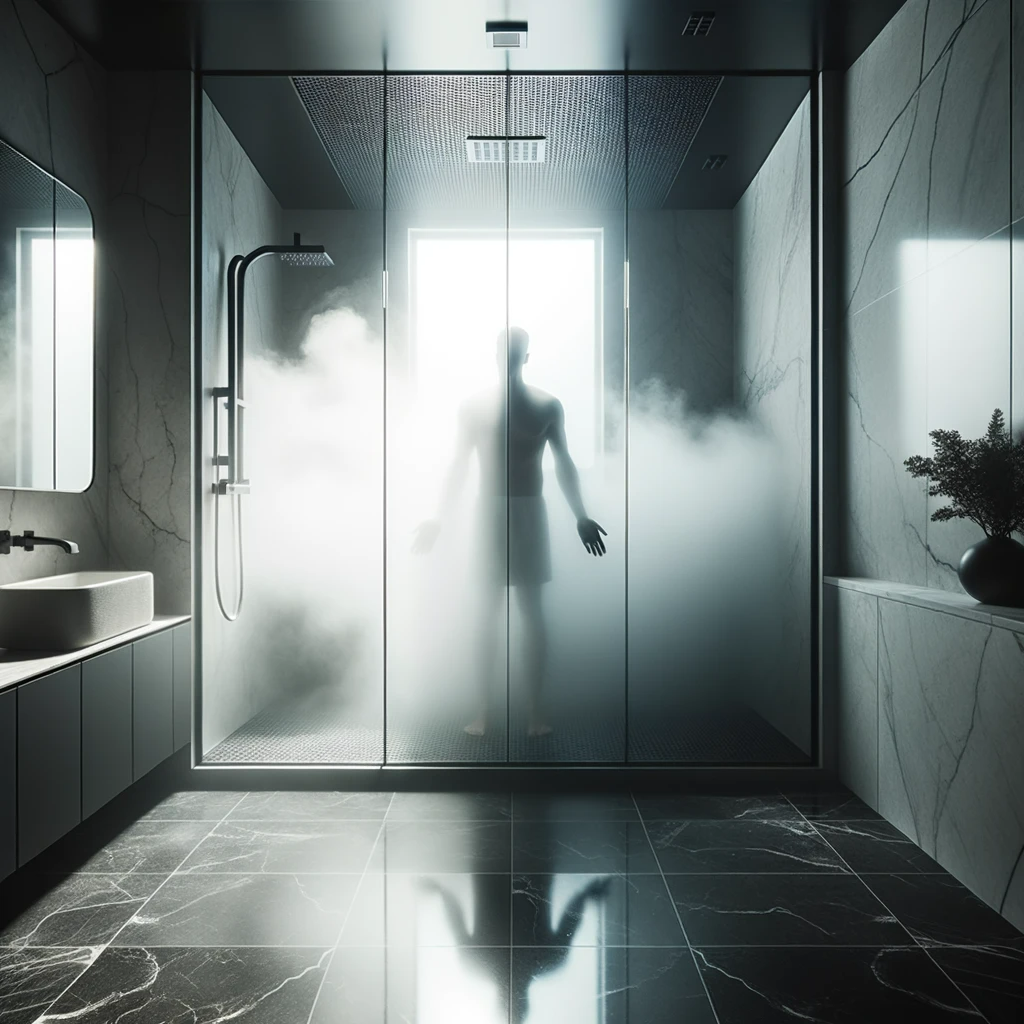
You've made the decision. You want a steam shower. Maybe you've already started researching generators, or you’ve been sketching bathroom layouts in your head for weeks. Whatever brought you here, one thing is true: this is an investment that will reward you for 20 years, especially when you plan it right from the start.
The good news? Most of the mistakes people make installing steam showers are entirely preventable. They happen because steam looks like a regular shower from the outside, so people design it like one. What follows is a planning guide built around the decisions that matter most and the specific details that, if overlooked now, become expensive fixes later.
How Does a Steam Shower Work?
Before we get into the planning checklist, it's worth talking about the basics. Steam is a different system from your shower plumbing, and understanding how it works makes every decision easier.
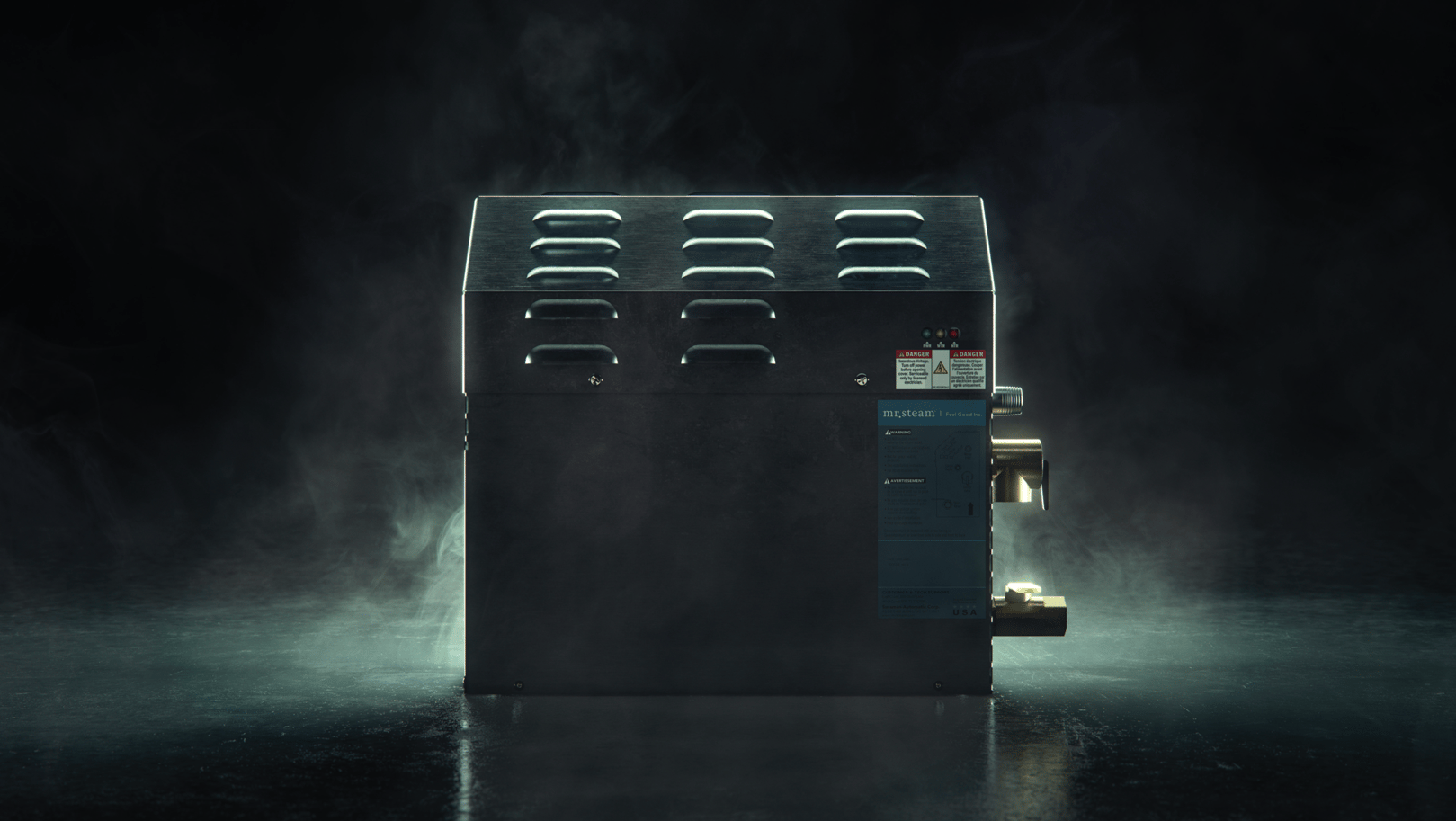
A steam generator is a separate appliance the size of a small suitcase, typically installed in a nearby closet, vanity, or cabinet. Cold water is supplied to the generator via a standard water line. The generator heats it to create steam, which then travels through a copper line to the steamhead inside your shower enclosure. The copper line can run up to 60 feet from the generator to the steamhead, which gives you a lot of flexibility in where to place the generator.
The steamhead itself is a small, low-profile outlet (MrSteam's Linear SteamHead mounts flush to the wall) that releases steam into the enclosure. Because it's running hot steam, it sits six to twelve inches from the floor, on the opposite side from your seat, so you're not sitting directly in the steam path.
Beyond the steam itself, the same system can anchor additional wellness experiences, such as Aromatherapy through an aroma oil reservoir, Chromatherapy via LED lighting, and audio through waterproof speakers. MrSteam's iSteam control unifies all of these into one easy-to-use interface. The steam is the foundation, and the rest of the ecosystem builds on it.
With that in mind, here are the important elements you need to get right.
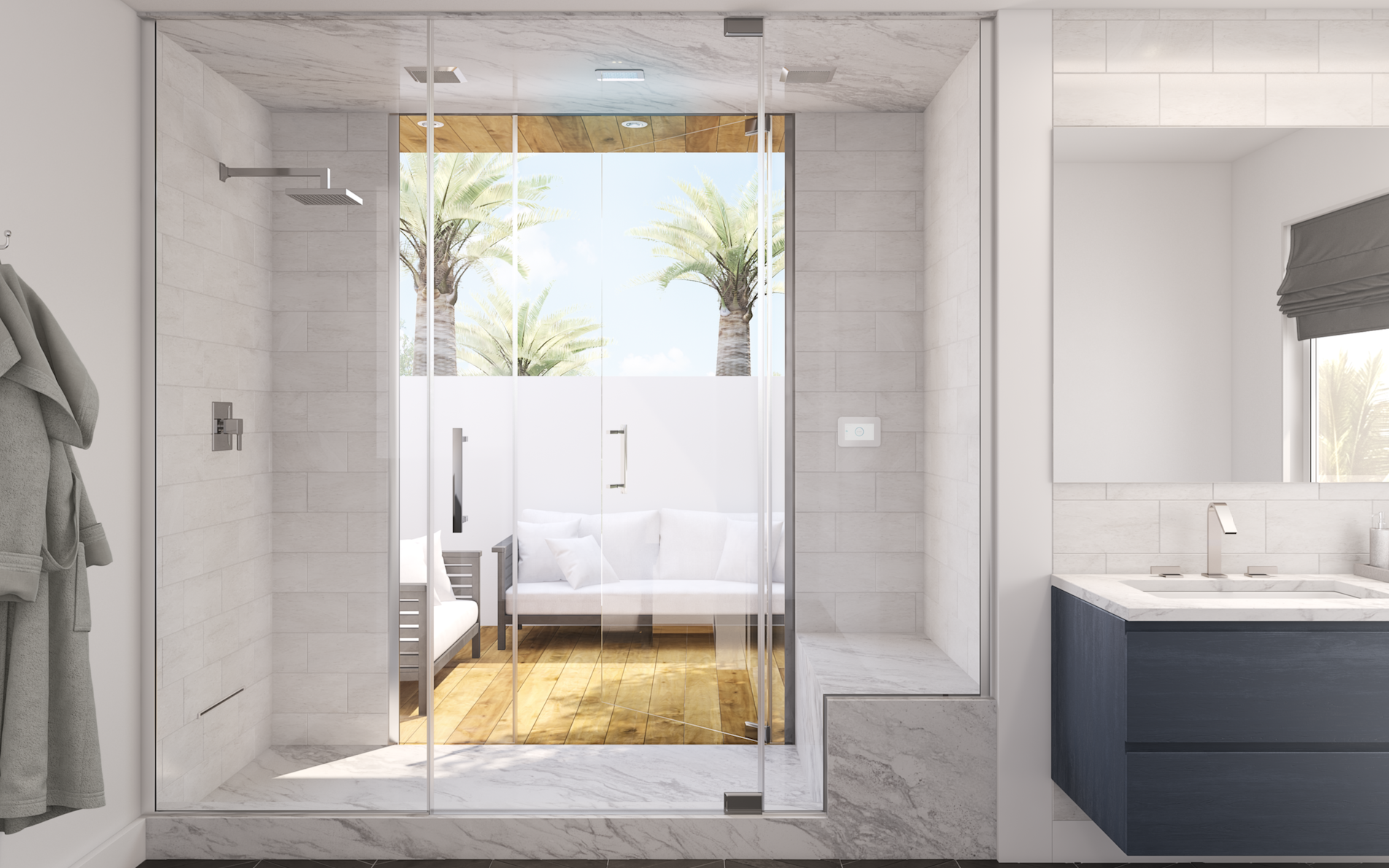
Top 10 Considerations Before Installing a Steam Shower
1. Can you run both water and electricity to your chosen generator location?
A steam generator needs two things: water and electricity. The water side is straightforward. A standard cold-water supply line runs to the generator; a steam line runs from the generator to your shower; and a drain line handles condensate. What catches people off guard is the electrical requirement: 240 volts on a dedicated circuit breaker, just like a dryer or range.
Before you finalize where your generator goes, verify that you can run both utilities to that location without a full electrical panel upgrade. It's a question for your electrician and plumber to answer early, not during demo.
2. what is Your Ceiling Height?
Here's one that surprises people: ceiling height directly determines which generator you need. Standard steam generators are sized for enclosures up to eight feet high. Go above that—say, a ten-foot ceiling in a renovated master bath—and you need a higher-capacity unit to handle the additional volume.
MrSteam's VirtualSpa tool handles this automatically. Enter your enclosure dimensions, and it matches you to the right generator. Use it early in the planning process, not after your tile is already ordered.
3. how will you seal your steam shower?
Steam needs to stay inside to do its job. That means your shower door needs a watertight seal, not airtight, but watertight. It also means any windows in the enclosure must be double-paned; single-pane glass is a heat sink that will rob you of heat and force your generator to work harder.
Check the seals on existing shower doors carefully. Worn or damaged door seals are one of the most common reasons a steam shower underperforms, and they're easy to miss during planning.
4. is your ceiling sloped?
This one gets skipped constantly, and it causes a genuinely unpleasant experience: condensate drips from a flat ceiling. In a small enclosure, this is easy to accommodate. In a larger custom shower, it requires deliberate planning with your contractor.
Do it now, not after the tile is in.
5. how porous are your wall and ceiling materials?
Marble is beautiful. It's also porous, which means it absorbs heat—and the more heat your walls absorb, the harder your generator has to work to maintain temperature, and the larger the unit you'll need. The same applies to granite and natural concrete.
Porcelain and ceramic tile are the practical choice for steam: nonporous, heat-retaining, and durable under daily exposure to moisture and temperature cycles. If you're committed to marble for aesthetic reasons, be sure to account for the difference in generator requirements.
Bottom line: pick your materials first, then size your generator. Not the other way around.
6. where will your steam shower generator live?
The generator can go almost anywhere within 60 feet of the steam room: a linen closet, a vanity cabinet, a heated basement or attic. The two spaces it should not be placed are inside the steam room itself, where there is too much moisture and heat, or in an unheated space where the water line could freeze.
It also needs to stand upright. A generator installed on its side will not function correctly and will void the warranty. Check clearances and make sure there's room for a service technician to access it when needed.
7. how should you Position a Steamhead?
Six to twelve inches above the floor, on the wall opposite the seating area, away from the entry point. That's the spec—and there's practical reasoning behind every part of it.
Low placement keeps the steam at body level as it rises naturally through the enclosure. Positioning it opposite the seat means you're in the steam without being directly in the discharge path. Keeping it away from the door prevents steam from escaping every time someone enters or exits.
8. where should you place your steam shower control panel?
The steam control regulates the temperature inside the enclosure using an internal thermostat. You’ll want it within easy reach from your seating position, between four and five feet above the floor, and away from the direct path of steam discharge.
Think about this practically: you're in the shower, seated, wanting to adjust the temperature without getting up. Where would you naturally reach? Plan the control location around that moment, not around what's convenient for rough-in.
MrSteam also offers wireless remotes, which eliminates the placement question entirely if you want total flexibility.
9. is your floor a slip hazard?
A steam shower is wetter than a standard shower. Polished stone or large-format smooth tile may become slippery.
Smaller mosaic tiles with more grout lines, textured porcelain, or anti-skid strips provide reliable traction. This is one of those details that feels minor in planning and matters enormously in daily use.
10. do you need seating in your steam shower? (Yes.)
This isn't a nice-to-have. Imagine trying to allow your mind and body to completely decompress while standing or leaning against the wall. Seating is fundamental to how steam works as a wellness experience. Great steam experiences require a comfortable place to sit.
Built-in bench seating is ideal. If space is constrained, fold-up teak seats are a proven alternative. Either way: slope the seat slightly for drainage, and confirm the dimensions allow someone to sit comfortably with their back against the wall and feet flat on the floor.
Planning Confidence Is the Product
These decisions aren't complicated, but they interact with each other in ways that matter. Your ceiling height affects the size of your generator. Your wall materials affect the size of your generator. Your generator size affects your utility requirements. Get this sequence right, and the rest of the installation is straightforward.
MrSteam's VirtualSpa Builder walks you through the sizing process from enclosure dimensions to generator match to steamhead placement. It's the fastest way to move from 'I want a steam shower' to 'I know exactly what I need, 'without guesswork or phone tag.
The experience you're imagining —stepping into warm, enveloping steam where your shoulders finally drop at the end of a long day, your chest opening as the steam fills the enclosure, and the actual quiet of your own home—is the result of a well-planned installation. Start there.



