
 SEARCH
 FIND A DEALER

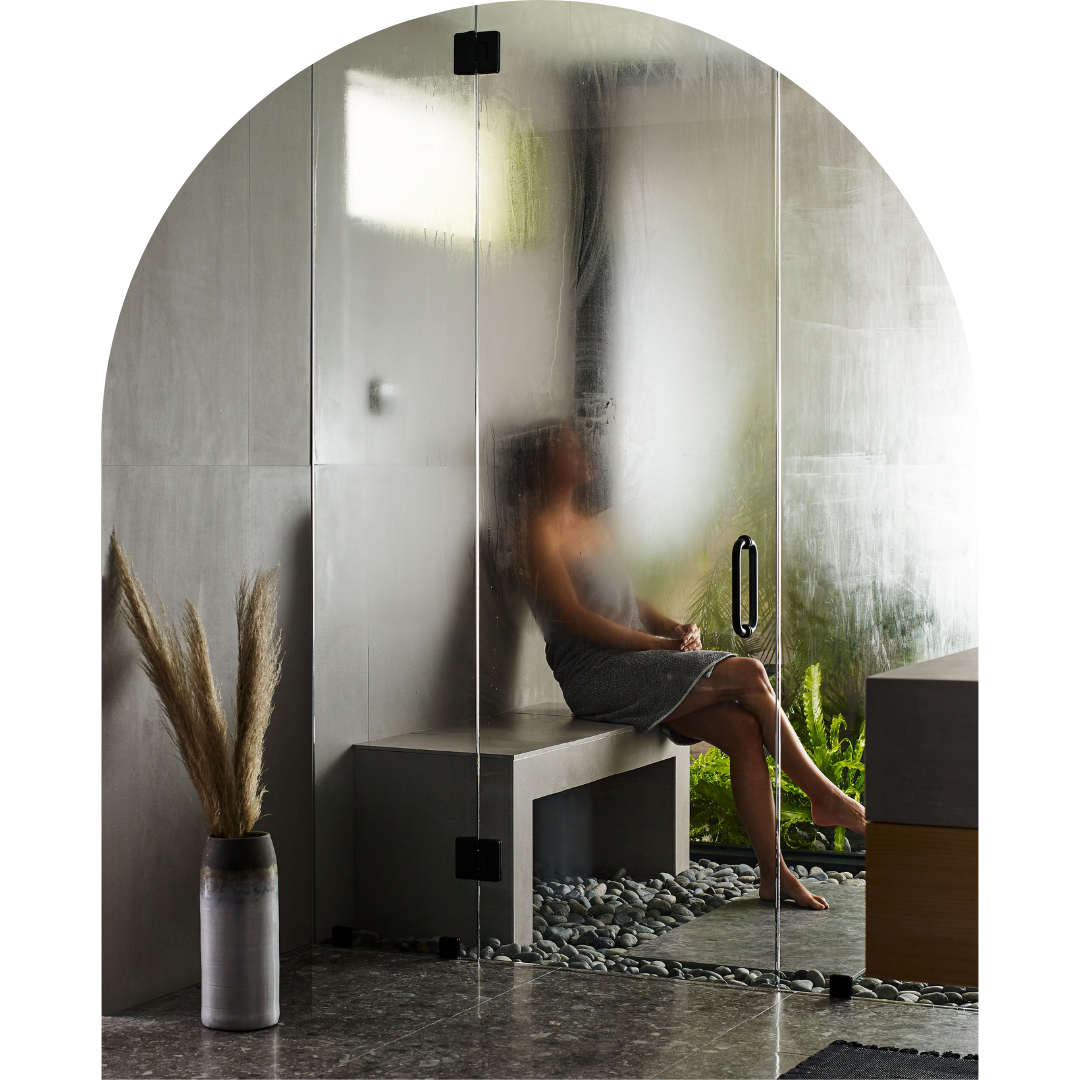
Creating an Evening Steam Ritual for Better Sleep
A steam shower used 30 to 90 minutes before bed may support better sleep by raising your core body temperature and then allowing it to drop—a process that signals the brain to initiate sleep. Paired with ChromaSteam® warm-toned lighting and lavender AromaSteam, the routine takes about 20 minutes and requires little beyond your existing shower.
Table of Contents
- How does a steam shower support sleep?
- When should you use a steam shower before bed?
- What temperature should a steam shower be for sleep?
- How does ChromaSteam® support the wind-down process?
- What does a repeatable pre-sleep steam routine look like?
- Does humidity affect sleep quality?
- Frequently Asked Questions
How does a steam shower support sleep?
A steam shower may support sleep by triggering a controlled rise and fall in core body temperature—a physiological sequence the brain associates with the onset of sleep.
Here’s how the mechanism works: you step into a warm steam shower, your core body temperature rises, your blood vessels near the skin's surface dilate to release heat. You exit, the heat dissipates quickly, your core temperature drops.
For a truly invigorating cooldown or cold plunge experience, go from the heat of steam to turning on your cold shower. A shocking but blissful pathway to rest.
Research suggests this rapid post-heat cooldown mimics and reinforces the natural temperature drop the body undergoes as it transitions into sleep. The steeper and faster that drop, the stronger the sleep signal.
Beyond temperature, the warmth and humidity of a steam shower may help shift the autonomic nervous system away from sympathetic (alert, reactive) activity and toward parasympathetic dominance (the state associated with rest, digestion, and recovery). These are measurable physiological changes that may create more favorable conditions for falling asleep.
When should you use a steam shower before bed?
Use a steam shower 30 to 90 minutes before your intended sleep time, though not immediately before getting into bed.
The sleep benefit comes primarily from the temperature drop that follows the steam shower, rather than from the shower itself. If you get into bed while your body is still warm from the session, you may actually delay sleep onset. The 30-to-90-minute window gives your body time to cool back down to the lower core temperature associated with sleep initiation.
A 15-to-20-minute session is sufficient. Longer isn't necessarily better, and staying in a steam shower past 20 minutes can lead to dehydration or overheating, which works against the goal. Drink water before and after.
What temperature should a steam shower be for sleep?
For a pre-sleep steam session, a moderate temperature—around 100°F to 110°F—tends to be more effective than a higher setting.
A very hot steam shower (above 115°F) can overstimulate the body rather than helping it settle. Moderate temperatures still produce the physiological warmth needed to trigger the subsequent cooldown without pushing the nervous system into overdrive. If you've been using your steam shower at a higher temperature for morning sessions, consider dialing it back for the evening.
How does ChromaSteam® support the wind-down process?
ChromaSteam® supports sleep preparation by removing blue-spectrum light from the shower environment during the pre-sleep window, when blue light exposure suppresses melatonin production.
The body's circadian system uses light—specifically blue light wavelengths in the 460–480nm range—as a primary cue for wakefulness. Evening exposure to blue light, whether from screens or overhead lighting, delays the brain's release of melatonin and pushes back the natural sleep window. ChromaSteam® allows you to select warm amber, soft red, or dim golden tones for your evening session—colors that sit well outside the blue-suppressing spectrum.
Using warm-toned ChromaSteam® light during an evening steam session means your last 20 minutes of active warm light exposure before bed is melatonin-neutral rather than melatonin-suppressing. Combined with the body temperature effect, it creates a consistent environmental cue that the night is ending.
ChromaSteam® is available with MrSteam's residential system lineup and integrates directly with the iSteamX control, which lets you save a dedicated evening lighting preset alongside your temperature and duration settings.
What does a repeatable pre-sleep steam routine look like?
A repeatable pre-sleep steam routine has four components: timing, temperature, light, and scent. Here's a protocol you can run consistently:
60–90 minutes before bed: Start your session. Set the steam shower to 100–110°F. Activate ChromaSteam® on a warm amber or soft red setting—avoid blue, white, or cool green tones. Add a few drops of lavender to the AromaSteam oil well, or run the AromaSteam system on the lavender setting if your setup includes the electronic pump.
During the session (15–20 minutes): Keep the session to 20 minutes. Lavender's primary active compound, linalool, has been studied for its potential to reduce anxiety and lower heart rate—effects that may complement the shift toward sleep. The warm light and scent together create a consistent sensory environment the brain can begin to associate with the transition toward sleep.
After the session: Step out, hydrate, and, with all the strength you can muster, resist the urge to check your phone. That cooldown period is when the physiological work happens. Ambient lighting should stay warm; keep screens off or use night mode if you need to use a device. Get into bed within the 30-to-90-minute window.
The repetition matters. Like exercise, diet, meditation, and so many of the healthiest human habits, the more consistently you run this sequence, the more natural it becomes, and the easier it is to build into your night. Do it at the same time each evening; that way, your circadian system builds a strong association between a steam session and sleep onset.
Does humidity affect sleep quality?
The humidity from a steam shower before bed may improve sleep quality indirectly, primarily through its effect on the upper airway.
Dry air during sleep may irritate nasal passages, increase snoring, and contribute to the kind of tossing and turning, light sleep that leaves people feeling unrestored. A steam shower may help people who struggle with mild congestion—whether from allergies, dry climates, or seasonal illness. This pre-sleep airway clearance may reduce nighttime breathing disruption.
The humidity benefit is temporary, rather than lasting through the night, but clearing the airway before bed may support sleep onset and early sleep quality.
The Bottom Line
Research shows that sleep may be the single most important element for longevity. When used consistently, and at the right time, a pre-sleep steam routine may reduce how long it takes to fall asleep and support more restorative rest.
Explore MrSteam Residential Steam Generators to find the right system for your space. Use the VirtualSpa® sizing tool to match a generator to your enclosure dimensions—and from there, add ChromaSteam® and AromaSteam to build out the full evening routine.
Frequently Asked Questions {#faqs}
How long before bed should I use a steam shower?
Use a steam shower 30 to 90 minutes before your intended sleep time. This window allows your core body temperature to rise during the session and then drop afterward—the cooling process is what triggers the sleep signal, not the heat itself. Getting into bed while still warm from the session may delay sleep onset.
What temperature should a steam shower be for sleep?
A moderate setting of 100°F to 110°F is appropriate for a pre-sleep steam session. Higher temperatures — above 115°F — can feel stimulating and prolong the body's elevated temperature state, which works against the goal of facilitating sleep. MrSteam controls allow you to save a dedicated evening temperature preset.
Does a steam shower help with sleep quality?
A steam shower may support sleep quality through two primary mechanisms: the core temperature drop that follows heat exposure, which signals sleep onset, and the shift from sympathetic to parasympathetic nervous system activity that warm, humid heat may produce. It is not a treatment for sleep disorders, but research on passive body heating before sleep suggests it can meaningfully reduce time to sleep onset in healthy adults.
What is ChromaSteam® and how does it support sleep?
ChromaSteam® is MrSteam's in-shower chromatherapy lighting system. For sleep support, its most relevant function is eliminating blue-spectrum light — the wavelength range most associated with melatonin suppression — from your pre-bed environment. Selecting warm amber or soft red ChromaSteam® settings during an evening session keeps light exposure melatonin-neutral during the critical pre-sleep window.
Can I use aroma with my steam shower before bed?
Yes. Lavender is the most research-supported option for pre-sleep use. Its primary active compound, linalool, has been studied for potential anxiety-reducing and heart-rate-lowering effects. MrSteam's AromaSteam system injects fragrance directly into the steam line at preset intervals, producing a consistent scent throughout the session rather than a brief burst at the start.
How often should I do a pre-sleep steam routine?
Consistency matters more than frequency. Running the same routine — same time, same temperature, same ChromaSteam® color, same scent — every evening strengthens the circadian association between the ritual and sleep onset. If daily use isn't practical, three to four evenings per week still allows the routine to become a reliable environmental cue for the body.


